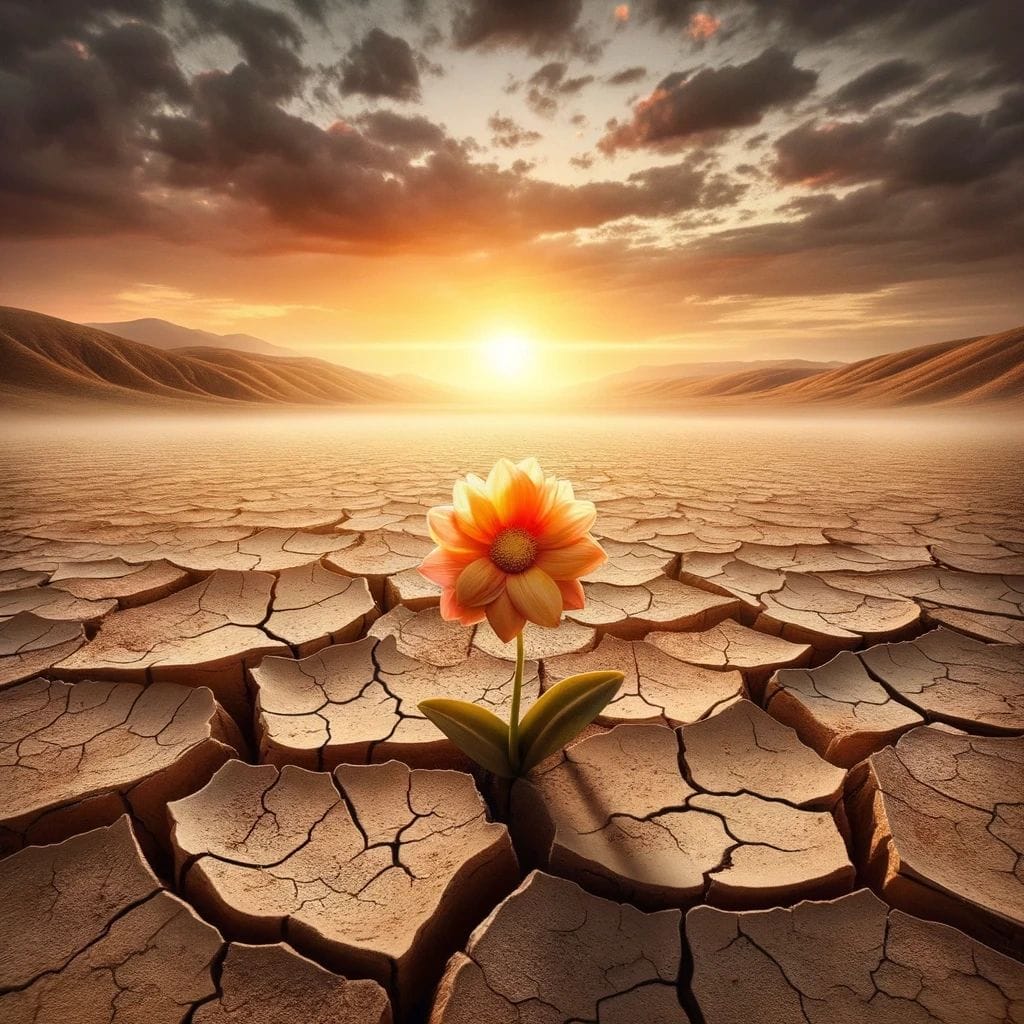
In our quest for a meaningful life, we often explore various dimensions — relationships, career, spirituality, and personal development, to name a few. However, one aspect that frequently remains underexplored is our relationship with the environment. This relationship not only shapes our well-being but also has a broader societal impact. In this post, we'll delve into the environmental aspect of a meaningful life through a cross-disciplinary lens, encompassing psychology, sociology, and environmental science.
Psychological Perspective: Well-being and Environmental Engagement
The Concept of Ecotherapy
In recent years, the field of ecotherapy has gained traction as a legitimate form of psychological treatment. The underlying principle is that nature can serve as a co-therapist, offering a tranquil setting that significantly enhances the therapeutic process. Unlike traditional therapy that confines the individual to a room, ecotherapy takes the healing process outdoors, be it a forest, a beach, or a community garden.
Ecotherapy isn't merely about spending time in nature; it’s about actively engaging with it. Activities range from nature walks and mindful observation of flora and fauna to more involved tasks like gardening or even forest restoration projects. Such activities are not random but are carefully chosen to match the therapeutic needs of the individual.
The psychological benefits are manifold. Engaging with nature has been shown to lower cortisol levels, the hormone associated with stress. Moreover, activities like planting a tree or observing a flowing stream can act as powerful metaphors for personal growth and the impermanence of life's challenges, respectively. These metaphors provide cognitive frameworks that can help individuals restructure their thought patterns, making the healing process more effective.
Mindfulness and the Environment
The practice of mindfulness — being fully present and engaged in the moment — has roots in various cultural and spiritual traditions. However, its application in the modern therapeutic context often involves a secular approach. A common thread in many mindfulness practices is the focus on natural elements. For example, the sound of a babbling brook or the intricate patterns of a leaf can serve as focal points for mindfulness meditation.
Mindfulness does more than just alleviate stress or improve focus; it fosters a deep sense of connectedness with the world around us. When we take the time to truly observe a flower — its colors, textures, and even its imperfections — we start to appreciate the complexity and beauty of the natural world. This heightened awareness can significantly enrich our sense of meaning in life.
Moreover, mindfulness encourages us to adopt an attitude of non-judgmental awareness. This is particularly relevant in the context of environmental conservation. When we observe nature without the lens of utility or economic value, we begin to appreciate it for its intrinsic worth. This shift in perspective can be transformative, leading to more conscious choices that favor environmental sustainability.
By weaving ecotherapy and mindfulness into the fabric of our lives, we not only enhance our mental well-being but also establish a profound and meaningful relationship with the environment. In the grand tapestry of life, this relationship is not just a thread, but a vibrant color that adds depth, richness, and texture to our existence.
Sociological Perspective: Social Cohesion and Environmental Stewardship
Community Gardens and Social Bonds
The concept of a community garden transcends the mere act of planting vegetables or flowers; it serves as a microcosm of society, bringing together individuals from various walks of life. These gardens are often situated in urban settings, providing a much-needed green oasis in a concrete jungle. Yet, their value extends beyond aesthetics or even ecological contributions; they are fertile grounds for social interaction and community building.
In a community garden, each individual or family usually has a small plot to cultivate. However, the true essence of these gardens lies in the shared spaces and resources, like compost heaps, tool sheds, or communal flower beds. It's in these shared spaces that social bonds are forged. Whether it's a casual conversation while tending to the plants or a more organized social event, interactions in the garden often lead to meaningful relationships. The collective effort to sustain the garden becomes a shared mission that transcends ethnic, cultural, and social boundaries.
Moreover, community gardens often serve educational purposes. Workshops on sustainable farming techniques, composting, or biodiversity introduce community members to environmental stewardship. This educational aspect not only enhances individual skills but also fosters a culture of sustainability within the community. In essence, the garden becomes a classroom where life lessons are imparted, sowing the seeds for a more environmentally conscious society.
Environmental Activism as a Social Movement
Environmental issues are often complex, entangled with economic, political, and cultural factors. Tackling these issues requires more than just individual action; it necessitates collective effort. Environmental activism serves this purpose by mobilizing people around a shared cause, be it climate change, deforestation, or ocean pollution.
Being part of an environmental movement can imbue one's life with a sense of purpose and community belonging. Activism is not just about protests or petitions; it often involves grassroots initiatives like tree planting drives, beach clean-ups, or educational campaigns. These activities provide a platform for individuals to contribute in a meaningful way, driving home the point that every effort counts.
Furthermore, activism creates a sense of empowerment. In a world where individuals often feel helpless in the face of monumental challenges, activism offers a pathway for tangible impact. This sense of empowerment not only fuels continued participation in environmental causes but also spills over into other aspects of life, enhancing overall well-being and life satisfaction.
In summary, the sociological lens reveals that environmental engagement is far from a solitary endeavor. It is deeply embedded in the social fabric, offering avenues for community building, education, and empowerment. The act of caring for the environment thus becomes a social glue, binding individuals into a community of shared values and mutual respect. This collective identity enriches individual lives while fortifying the societal structures that are so crucial for meaningful existence.
Environmental Science Perspective: Sustainable Living and Ecosystem Health
Circular Economy
The concept of a circular economy diverges from the traditional linear model of "take, make, dispose" that has long dominated industrial societies. In a circular economy, the focus shifts towards minimizing waste and making the most of available resources. This involves designing products for longevity, promoting repair and refurbishment, and recycling materials at the end of their life cycle.
Adopting a circular economy lifestyle can be deeply fulfilling on a personal level. The act of repairing a broken item instead of discarding it, for instance, instills a sense of accomplishment and resourcefulness. Similarly, choosing to buy products made from recycled or sustainable materials can imbue everyday choices with a sense of purpose.
Beyond individual satisfaction, the circular economy has broader ecological implications. By reducing waste and promoting resource efficiency, this model alleviates the strain on natural ecosystems. This results in tangible benefits, such as reduced greenhouse gas emissions and lesser exploitation of natural resources, contributing to the overall health of the planet.
Biodiversity and Well-being
Biodiversity, the variety of life in the world or in a particular habitat or ecosystem, is often viewed through the lens of ecological stability or economic utility. However, its impact on human well-being is equally profound. Ecosystem services like pollination, water purification, and climate regulation are directly linked to biodiversity.
Preserving biodiversity is not merely an act of ecological stewardship; it's an investment in our well-being. For example, diverse plant species in an ecosystem often serve as raw materials for pharmaceuticals, offering potential cures for various ailments. Moreover, the aesthetic and recreational value of biodiverse ecosystems, such as coral reefs or ancient forests, enriches our lives in ways that are hard to quantify.
Engaging in activities that promote biodiversity — whether it's participating in local conservation efforts or making sustainable consumer choices—can deepen the sense of meaning in one's life. This engagement is not an altruistic act; it's a symbiotic relationship. By contributing to ecosystem health, individuals not only fulfill a moral obligation but also secure the ecological foundations that underpin their own well-being.
In essence, the environmental science perspective underscores the intricate relationship between individual actions and broader ecological outcomes. Sustainable living is not just an ethical choice; it's a cornerstone of a meaningful life. Through practices like circular economy and biodiversity conservation, individuals can weave a narrative of meaningful existence that is inextricably tied to the health and vitality of the planet.
Conclusion
The journey toward a meaningful life is a complex, multifaceted endeavor that intersects with various domains of human experience. Often, the search for meaning is framed within the context of personal growth, career success, or social relationships. Yet, as we have explored through a cross-disciplinary lens, the environmental aspect adds a crucial dimension to this quest.
The psychological benefits of environmental engagement, as illuminated through ecotherapy and mindfulness, offer a profound enhancement to individual well-being. These practices not only alleviate stress and foster mental clarity but also deepen our emotional and cognitive connection with the natural world. They serve as therapeutic modalities that extend beyond the individual, having the ripple effect of instilling a culture of environmental mindfulness.
From a sociological standpoint, the environment acts as a catalyst for social cohesion and empowerment. Community gardens and environmental activism are not just platforms for ecological stewardship; they are arenas for community building, education, and social change. The collective endeavor to care for our planet fosters a sense of shared purpose and identity, enriching individual lives and strengthening the social fabric.
The environmental science perspective brings into focus the tangible link between sustainable living and ecological health. Adopting practices rooted in the circular economy and biodiversity conservation not only minimizes our ecological footprint but also enhances the quality of our lives. These practices enable individuals to live in harmony with natural cycles, affirming the intrinsic value of the environment beyond its utilitarian functions.
In sum, the environmental aspect of a meaningful life extends its reach into the realms of psychological well-being, social cohesion, and ecological harmony. It transcends the limitations of a single-disciplinary viewpoint, offering a holistic understanding that enriches our lives in profound ways.
So, the next time you ponder the ingredients of a meaningful life, consider adding a dash of environmental consciousness to the mix. It's not just good for the planet; it's good for the soul.
Author’s Note
I am a scientist and researcher with a keen interest in exploring the the various aspect of human well-being including social structures, and environmental sustainability. My journey into these subjects has been deeply influenced by a multidisciplinary approach, which I believe is crucial for addressing the complex challenges we face today. I would like to extend my gratitude to experts in the fields of psychology, sociology, and environmental science whose research has been invaluable in shaping my understanding. Any errors or oversights in this post are my own.
References
- Kaplan, S. (1995), "The restorative benefits of nature: Toward an integrative framework", Journal of Environmental Psychology, 15(3), 169–182.
- Putnam, R. D. (2000), "Bowling Alone: The Collapse and Revival of American Community", Simon & Schuster.
- Ellen MacArthur Foundation (2013), "Towards the Circular Economy", Vol. 1, Ellen MacArthur Foundation Publishing.
- Wilson, E. O. (1984), "Biophilia", Harvard University Press.
- Kabat-Zinn, J. (1990), "Full Catastrophe Living: Using the Wisdom of Your Body and Mind to Face Stress, Pain, and Illness", Delta Trade Paperbacks.